Keeping Children Safe Online And Spotting Grooming
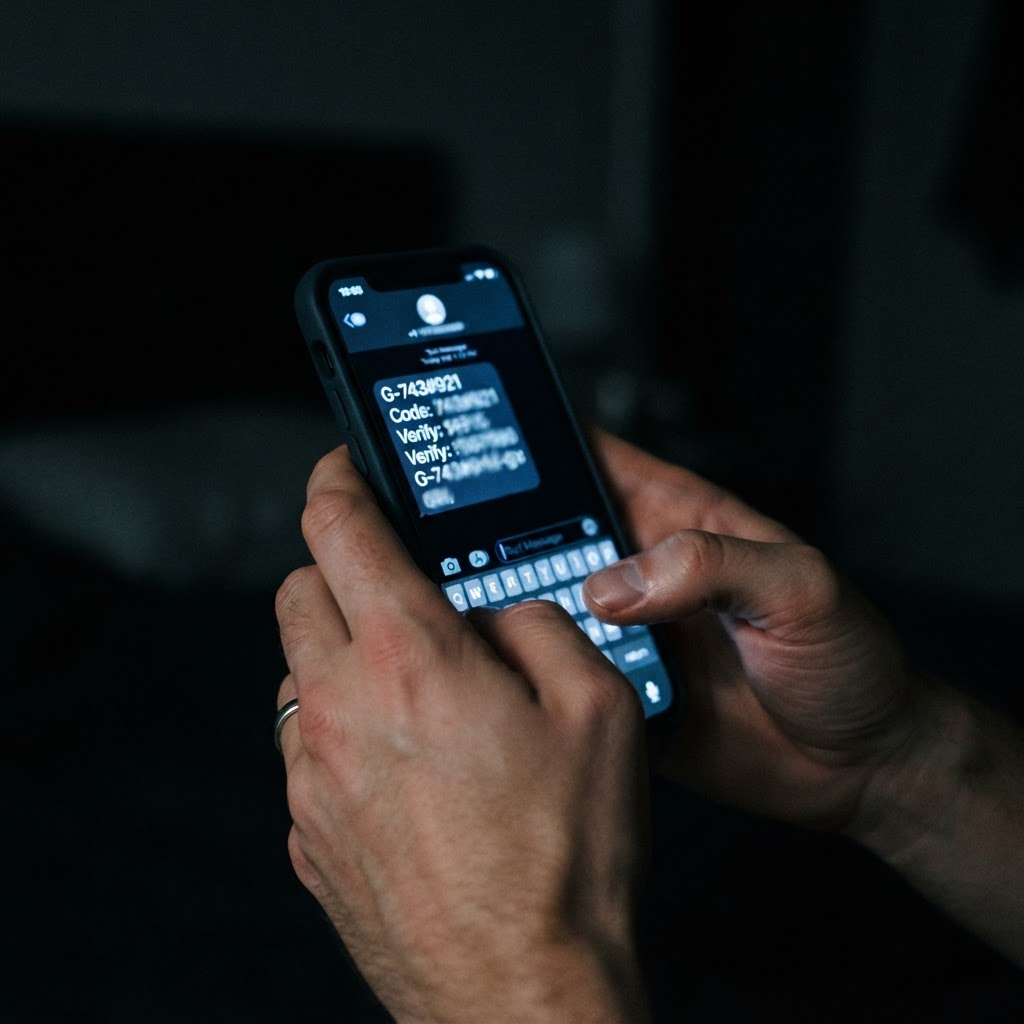
Predators reach children through games, TikTok, WhatsApp and "model" DMs. Calm, curious parenting beats secret surveillance — and early warning signs are visible if you know them.
Know where your child actually is online
Ask which apps, games and group chats they use and play the games with them sometimes. Turn on the app's own safety settings together — private accounts, restricted DMs, comment filters, and friend requests only from people they know. Keep devices in shared spaces at night and agree on a charging spot outside bedrooms. Do not secretly spy: children who fear punishment hide contact instead of reporting it.
What grooming looks like
A stranger who is overly interested in a child's day, gives gifts, airtime or in-game items, compliments them constantly, asks them to keep the friendship secret, moves the chat to a private app, or asks for a photo "just for me" is grooming — even if nothing sexual has been said yet. Sextortion starts the same way: an older "friend" or fake modelling scout gets one image, then demands money or more images and threatens to share.
Build the reporting habit
Tell your child plainly: nothing they are sent is their fault, they will not lose their phone for telling you, and you will handle it together. If an adult sends sexual messages or images, save the evidence, block and report in the app, and report to SAPS — the Film and Publication Board and the SAPS Serial and Electronic Crime Investigations unit handle child sexual abuse material. Never delete the account before the evidence is captured.
If a child is being blackmailed
Stop all payments immediately — paying never ends it. Screenshot the threats, the profile and the payment requests, then block and report. Do not let the child speak to the blackmailer alone. Report to SAPS and to the platform, and contact a counsellor — shame is the blackmailer's main weapon, so keep your child talking. Under South African law, possessing or sharing a sexual image of a child is a crime, even if the child sent it themselves.
Do this
- Agree app settings and device rules together.
- Keep devices out of bedrooms overnight.
- Save screenshots of any threatening messages.
- Report to the platform, SAPS and a counsellor.
Never do this
- Do not secretly spy and then punish what you find.
- Do not pay a blackmailer anything.
- Do not delete accounts or messages before evidence is saved.
- Do not blame a child for images they were tricked into sending.