First Aid And CPR Essentials
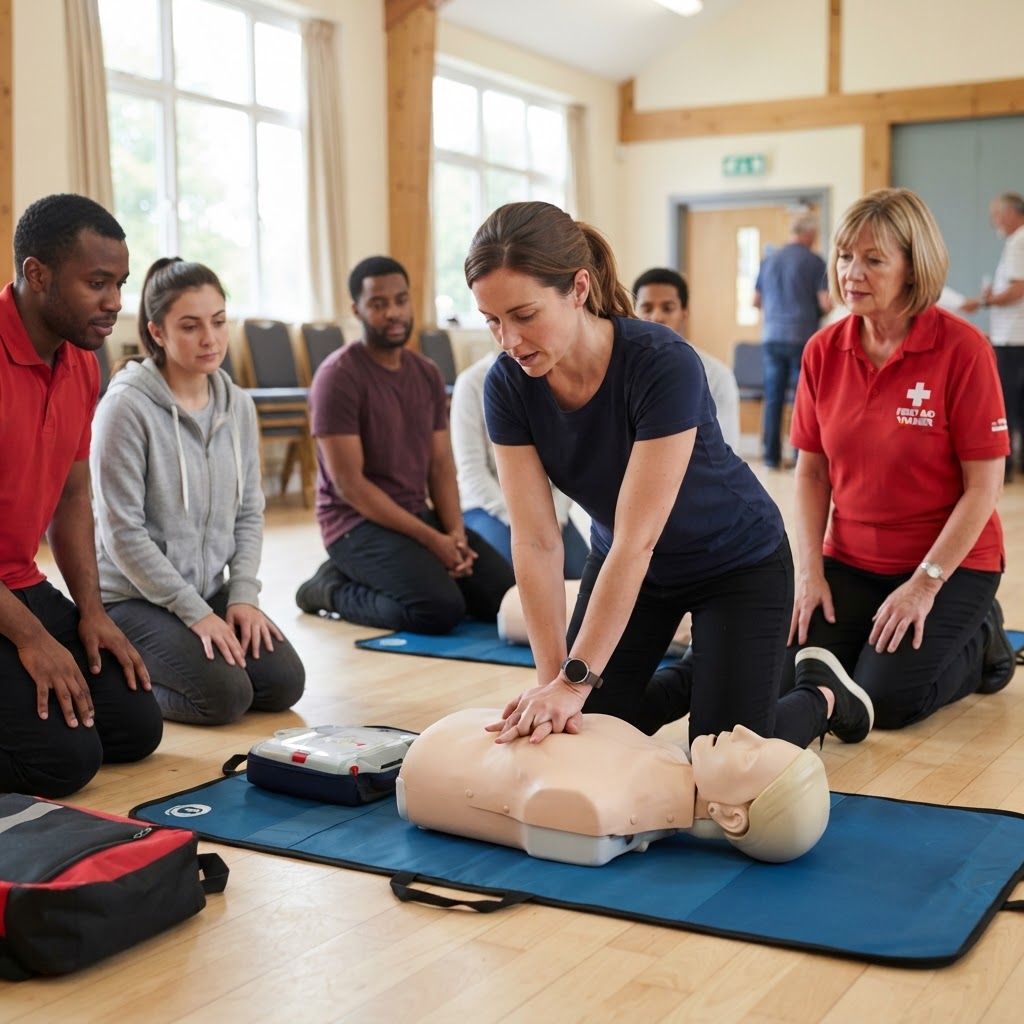
In the first ten minutes, a bystander decides the outcome. Learn CPR, the recovery position, choking relief and how to control severe bleeding.
Check, call, care
Make sure the scene is safe before you help — traffic, fire, electricity and attackers injure rescuers every day. Check if the person responds: shout and tap their shoulders. If there is no response, call 10177 or 112 on speakerphone and put it beside them so the dispatcher can guide you. Shout for someone to bring an AED (defibrillator) if there is one.
CPR for an adult
Place the heel of one hand in the centre of the chest, the other hand on top, fingers interlocked. Keep arms straight and push hard and fast — about 5 to 6 cm deep, 100 to 120 compressions a minute, allowing the chest to come all the way back up. If you are trained, give 2 rescue breaths after every 30 compressions; if not, do continuous compressions. Do not stop until the person breathes, a professional takes over, or you are physically unable to continue.
Choking and the recovery position
If someone is choking but can cough, encourage coughing. If they cannot breathe, speak or cough, give 5 sharp back blows between the shoulder blades, then 5 abdominal thrusts. Alternate until the object comes out or they collapse — then start CPR. For anyone unconscious but breathing, roll them onto their side, tilt the head back slightly, and keep them warm while waiting for help.
Severe bleeding
Press directly on the wound with a clean cloth, a shirt or a dressing, using your body weight and keeping pressure on for at least 10 minutes without peeking. If blood soaks through, add more cloth on top rather than removing the first layer. Elevate the limb if there is no fracture. For a limb wound that will not stop, a tourniquet is a last resort — note the time it was applied. Never remove an object that is stabbed into a wound; pack around it.
Do this
- Call 10177 for an ambulance, 112 from a cellphone, and stay on the line.
- Do chest compressions even if you are unsure — doing nothing is worse.
- Keep a first aid kit and burn dressing in your car and home.
- Take a free first aid course through St John, the Red Cross or your local clinic.
Never do this
- Do not move a person with a suspected neck or spine injury unless they are in danger.
- Do not give food or water to someone who is drowsy or unconscious.
- Do not put anything in the mouth of someone having a seizure.
- Do not apply ice directly to a burn or burst blisters.