Spotting Human Trafficking In Your Street
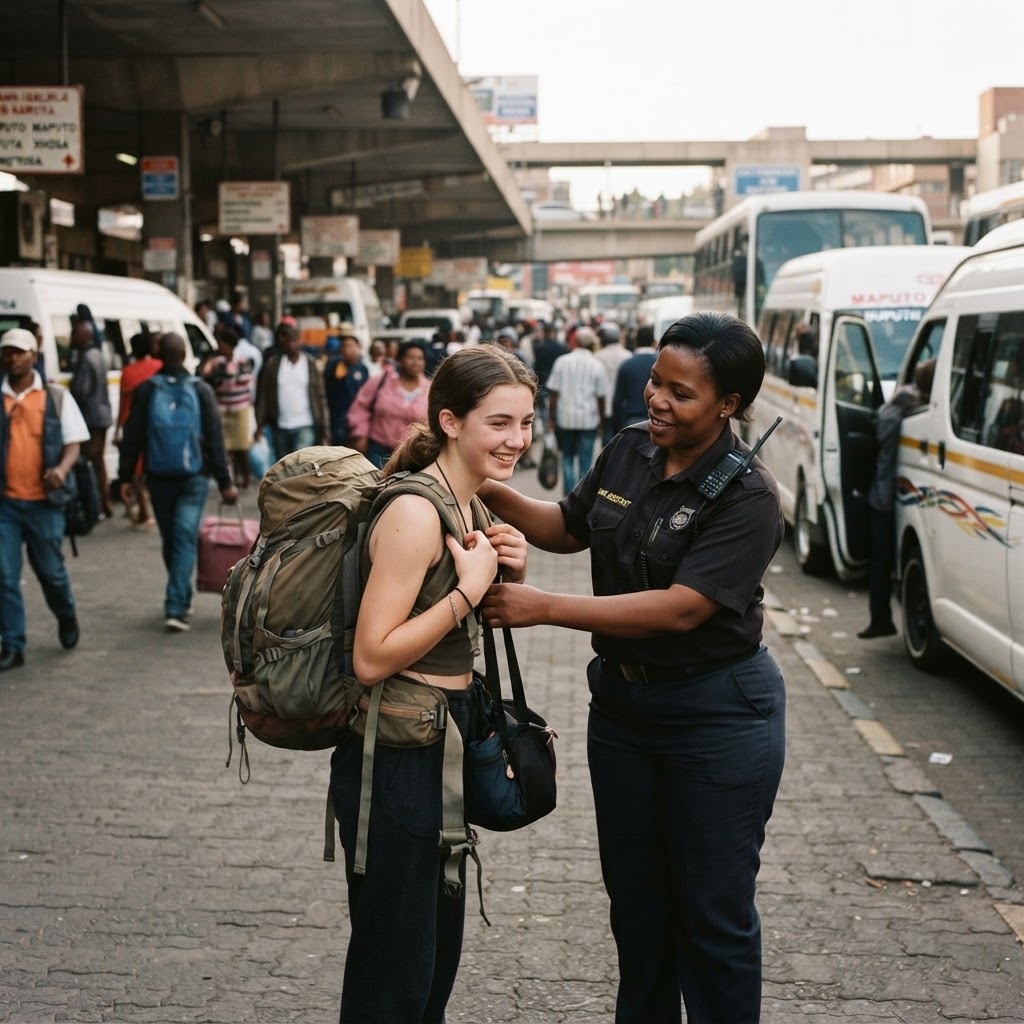
Trafficking hides in plain sight — in domestic work, farms, brothels, begging rings and fake job offers. Learn the signs and the correct way to report.
What trafficking actually looks like
Trafficking is the recruitment, transport or harbouring of a person by force, fraud or coercion for exploitation. It happens inside South Africa as well as across borders. Victims are often moved between suburbs, locked in properties, forced to work long hours without pay, or forced into sex work, begging, crime or drug couriering. Children are trafficked for labour, begging and sexual exploitation, sometimes by people they know.
Signs to look for
Several people living in one house with no personal belongings. Someone who never speaks for themselves and whose "employer" answers every question. A domestic worker or gardener who is never allowed out alone, has no ID or phone, and looks malnourished or injured. Windows covered from the inside, regular male visitors at night, or a constant flow of young women through a house. A child who is working instead of attending school, or begging at the same intersection every day with an adult controlling the money.
How to respond safely
Do not confront the suspected trafficker and do not try to "rescue" a victim yourself — you may put them in more danger. Note the address, descriptions, vehicle registrations, times and any names. Report to the SAPS Human Trafficking hotline on 0800 222 777, Crime Stop on 08600 10111, or the national Human Trafficking Resource Line. If someone is in immediate danger, call 10111 or 112 and stay nearby until help arrives.
Fake job offers are the number one lure
Be extremely careful with jobs offering unusually high pay for unskilled work, "modeling" or "waitressing" jobs that require you to travel alone, recruiters who ask you to send ID copies over WhatsApp before any interview, and any offer to pay your transport to another city. Always verify the company independently, tell a family member the address, share your live location, and refuse to hand over your passport or ID to an employer.
Do this
- Write down addresses, times, descriptions and registrations.
- Report suspicions even if you are not certain — investigators can check.
- Save the hotline 0800 222 777 in your phone.
- Support survivors by referring them to a shelter, not by housing them yourself.
Never do this
- Do not confront suspects or film them openly.
- Do not post addresses or photos of suspected victims online.
- Do not hand your ID or passport to an employer or "agent".
- Do not travel alone to an unknown address for a job interview.