Drowning: Prevention, Rescue And Child Water Safety
Drowning is silent, quick and happens in seconds in water you would not expect. Buckets, pools, dams and flooded storm drains all kill children every summer.
The danger you do not see
A drowning child does not shout or wave — they slip under quietly while an adult is in the same room. A bucket of water, a fish pond, a jojo tank, a storm drain or a neighbour's unfenced pool is enough. Empty buckets and troughs after use, keep pool gates self-closing and locked, and never leave a child under five alone in or near water, not even for a minute — hand the child to another adult rather than stepping away.
Learn to respond without becoming a victim
If someone is in trouble, shout for help and call 10177 or 112. Reach with something before you swim: a pool net, a branch, a towel or a rope. Throw a float or a sealed empty container. Only enter the water if you are a strong swimmer and have been trained in rescue — panicking swimmers drown their rescuers. Enter feet first, never dive into murky water, dams or rivers where you cannot see the bottom.
After a rescue
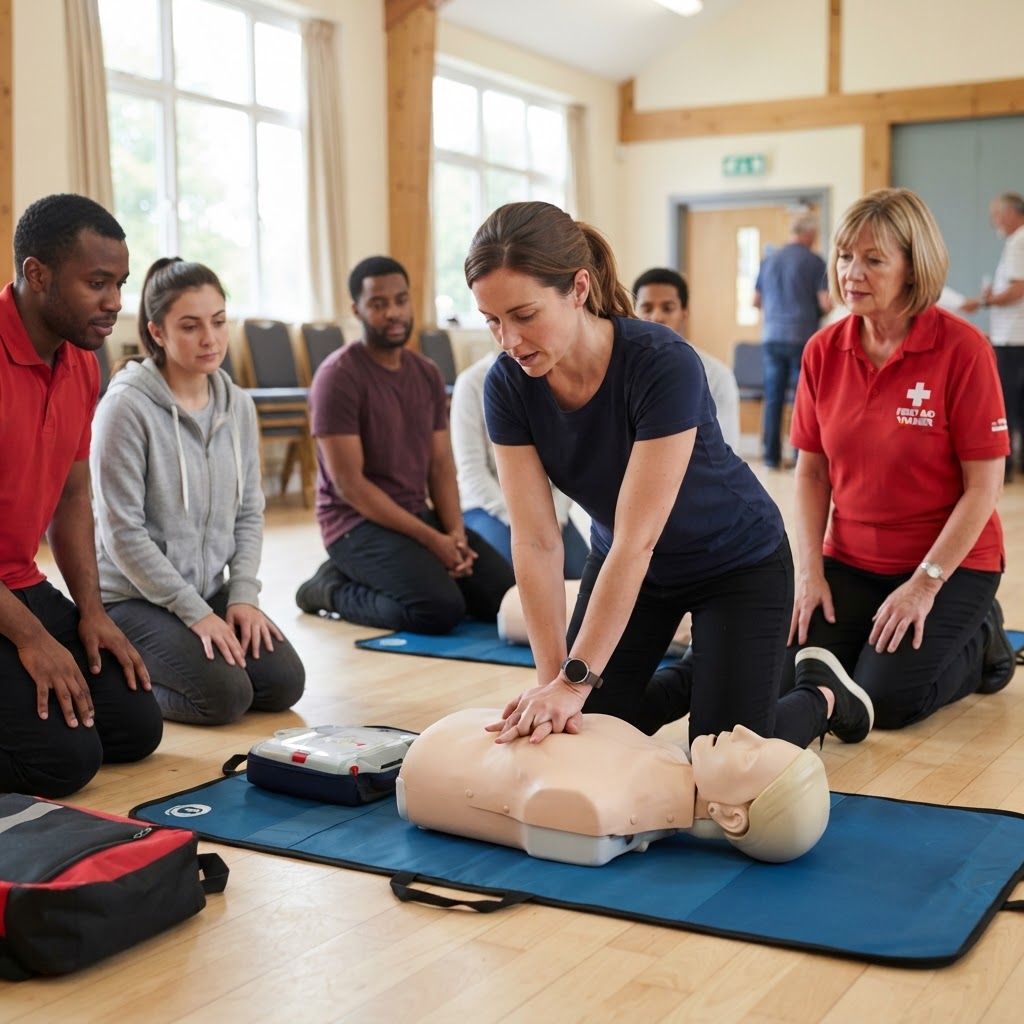
Get the person onto dry land, check if they are breathing and start CPR immediately if not — 30 compressions to 2 breaths, hard and fast in the centre of the chest. Even if they seem fine, anyone who was submerged must be checked by a medical professional: water in the lungs causes delayed complications. Keep them warm and do not let them eat or drink. Call an ambulance even if they are talking.
Floods and storm water
Never walk, swim or drive through flood water — 30 cm of moving water can sweep a car away and open drains are invisible under the surface. Keep children away from storm-water channels and culverts after rain. If your home floods, switch off electricity at the main before touching anything wet, and treat all flood water as contaminated.
Do this
- Empty buckets and baths and lock pool gates.
- Reach or throw before you swim.
- Start CPR immediately if the person is not breathing.
- Have anyone submerged checked by a medic.
Never do this
- Do not leave under-fives alone near any water.
- Do not jump in if you are not a trained rescuer.
- Do not dive into dams, rivers or murky water.
- Do not drive or walk through flood water.